On World Music Day, we at Li’l Miracles International Preschool celebrate not just melodies and rhythms, but the life-changing impact music can have on young hearts and minds.
“Where words fail, music speaks.” – Hans Christian Andersen
In the early years of a child’s life, their brain is developing at a rapid pace. Music, when introduced intentionally, becomes more than just entertainment—it becomes a powerful tool for emotional well-being, brain development, and creative growth.
The Positive Impact of Music in Childhood
- Boosts Mental Health
- Singing or learning an instrument is like therapy for children—it lowers stress, releases feel-good hormones like dopamine, and gives them an expressive outlet for their emotions. Children who engage with music are often calmer, more balanced, and better at handling anxiety.
- Unlocks Creativity
- Music sparks imagination. Whether it’s composing a tune, tapping a rhythm, or simply humming, children enter a creative flow that improves their problem-solving and abstract thinking skills.
- Improves Cognitive Skills
- Learning music enhances memory, attention span, and even mathematical abilities. Rhythmic patterns and musical timing help build sequencing skills vital for reading and logic.
- Enhances Language and Communication
- Music sharpens listening skills and strengthens vocabulary. Songs introduce new words, pronunciation, and storytelling, all while keeping children joyfully engaged.
- Promotes Discipline and Patience
- Mastering an instrument or practicing a song teaches persistence, focus, and delayed gratification—skills crucial for long-term success in any area of life.
- Fosters Connection and Joy
- Music brings people together. Singing with parents or dancing with peers creates shared joy and emotional bonding that words alone sometimes can’t achieve.
How Can Parents Introduce Music to Their Child’s Life?
- Make Music a Daily Ritual
- Start and end the day with a calming or upbeat song. Create a “music time” where the family sings together.
- Expose Them to Variety
- From classical to folk, from lullabies to jazz—play different genres. Let your child explore and discover their preferences.
- Encourage Singing Freely
- Let your child sing—even off-key! It boosts confidence, self-expression, and language development.
- Offer Simple Instruments
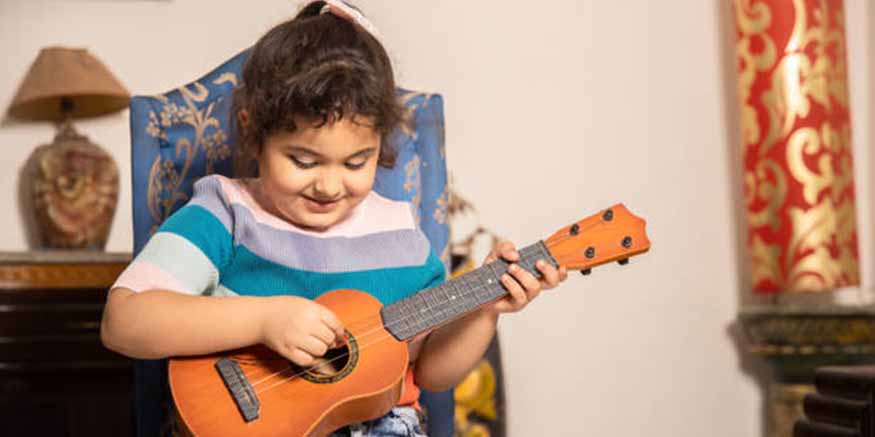
- Drums, xylophones, shakers, or even a keyboard can be fun and easy ways to explore sound. Formal classes can come later, but start with play.
- Enroll in Music or Movement Classes
- Preschool-level music classes can introduce rhythm, group singing, and body coordination in a playful way.
- Model Music Appreciation
- Children mirror parents. Sing out loud, dance without inhibition, or share your favorite childhood songs—your enthusiasm will inspire them.
Final Note from Li’l Miracles
At Li’l Miracles, we believe music isn’t just a subject—it’s a bridge to emotions, creativity, and inner harmony. This World Music Day, let’s gift our children the magical world of melodies. Let them explore it freely, sing out loud, and dance like no one’s watching.
Because a child raised with music is a child raised with joy.
Happy World Music Day!
For more such learnings, read our blogs at www.lilmiracles.in
Riitu Sharma
Co-Founder
Li’l Miracles International Preschool