
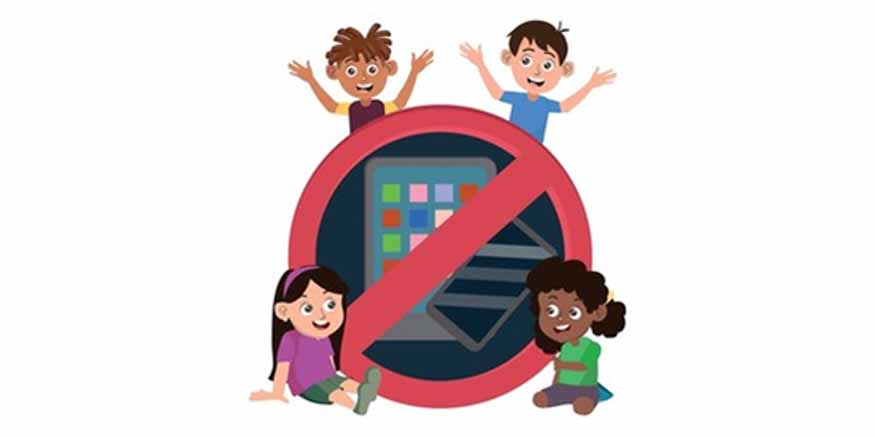
In today’s hyper-digital world, screens have quietly entered every corner of our lives. From TVs to tablets to smartphones, digital content is literally just a tap away. While technology can be useful, too much screen time—especially for preschoolers—can affect their emotional wellbeing, communication skills, sleep patterns, and imagination.
At Li’l Miracles International Preschool, we see firsthand how beautifully children grow when they play, explore, talk, observe, and interact with the real world. This blog shares practical, parent-tested strategies to help you gently limit screen exposure and encourage healthier habits.
Parent-tested strategies to help preschoolers gently limit screen exposure and encourage healthier habits.
- Set Clear and Gentle Screen-Time Boundaries
- No screens during meals
- No screens in the morning
- No screens 1 hour before bedtime
- If required, limit it to 20–30 minutes of supervised screen time
- Be the Model — Children Copy What They See
- Use your phone minimally around them
- Keep devices away during family time
- Replace scrolling with small chats or short outdoor breaks
- Create Screen-Free Zones at Home
- Dining area
- Bedrooms
- Study corner
- Balcony or outdoor play zone
- Offer Fun and Engaging Alternatives
- Magnetic tiles or Lego
- Pretend play sets (kitchen, doctor kit, dolls)
- Play dough, clay, or kinetic sand
- Puzzles and matching games
- Running races
- Cycling
- Bubble play
- Nature treasure hunts
- Sandbox fun
- Finger painting
- Craft with paper or sponge
- Crayon activities
- Sticker books
- Water painting boards
- Introduce the ‘Busy Box’ Technique
- Mini toys
- Flashcards
- Puzzles
- Colouring sheets
- Stamps & stickers
- Small books
- Build a Strong Daily Routine
- Playtime
- Story time
- Snack time
- Outdoor time
- Art or craft session
- Nap time
- Encourage More Real Conversations
- Asking them about their day
- Letting them describe objects around them
- Telling simple stories
- Encouraging them to express feelings
- Use Screens Only for Purposeful Learning
- Educational
- Supervised
- High-quality
- Short
- Replace Screen Time with Family Time
- Reading together
- Playing board games
- Taking a walk
- Doing simple yoga
- Cooking a small snack together
- Celebrate Small Wins
- A screen-free evening
- A day filled with outdoor play
- A week of reduced usage
Preschoolers thrive in structured environments. Make screen rules simple and consistent:
Clear expectations help your child adapt faster and reduce daily negotiation.
You may not notice it, but your child is always watching you.
If you’re often using your phone, laptop, or TV, they naturally feel screens are important.
Try to:
Your habits shape theirs.
Redesigning your environment helps more than you think.
Introduce areas where screens simply don’t enter:
Making physical spaces free of screens naturally encourages more real-world engagement.
Children turn to screens not out of habit, but often out of boredom. When they have better options, they automatically stay away from devices.
Indoor Play Ideas
Outdoor Play Ideas
Creative Time Ideas
Providing interesting alternatives reduces the “need” for screens.
A Busy Box is a magical parenting hack!
Fill a box with:
Whenever you’re busy (cooking, cleaning, working), bring out the Busy Box instead of a screen.
Children feel secure and calm when they know what comes next.
Create a balanced routine that includes:
When the day is well-structured, screens don’t find much space.
Talk, talk, and talk with your child.
Conversations build language skills, emotional bonding, and reduce the desire to watch videos.
Try:
Small talks = big development.
If you must give screen time, make sure it is:
Avoid overstimulating or fast-paced videos. Choose simple, slow, meaningful content that supports learning.
Children don’t crave screens—they crave connection.
Spend a few minutes daily:
These moments naturally pull them away from devices and closer to you.
Limiting screen time is a process, not an overnight change.
Celebrate every milestone:
Positive reinforcement motivates children and parents both!
In the weeks leading up to World Kindness Day, our preschool initiated a Kindness Drive — a simple yet powerful campaign encouraging our children and parents to contribute small items of love. From warm clothes to stationery, and toys, every contribution was a token of compassion.
The idea was to help children understand that kindness isn’t about how much you give, but how much love you put into giving. Through classroom discussions and storytelling sessions, our teachers helped students learn what it means to care, share, and make someone smile.
And soon enough, our collection boxes overflowed — not just with goodies, but with giggles, excitement, and pure innocence.
Make Screen Time a Reward, Not a Routine
Instead of allowing screens to become a default habit, turn them into a controlled reward system. This helps children understand that screen time is special, not something they get automatically.
You can try a simple structure like:
- Finish a puzzle → 10 minutes of a learning video
- Complete clean-up time → 1 short cartoon episode
- Follow the daily routine well → extra bedtime story instead of screen
This mindset helps your child learn discipline, patience, and self-control.
It also shifts their focus from wanting screens to earning privileges through good behaviour and habits.
Conclusion
Reducing screen time is not about banning screens—it’s about building a balanced childhood where real experiences matter more than digital ones. With patience, creativity, and consistency, you can help your preschooler grow into a curious, confident, and active learner.
For more such learnings, read our blogs at www.lilmiracles.in
Lalit Sharma
Founder
Li’l Miracles International Preschool